


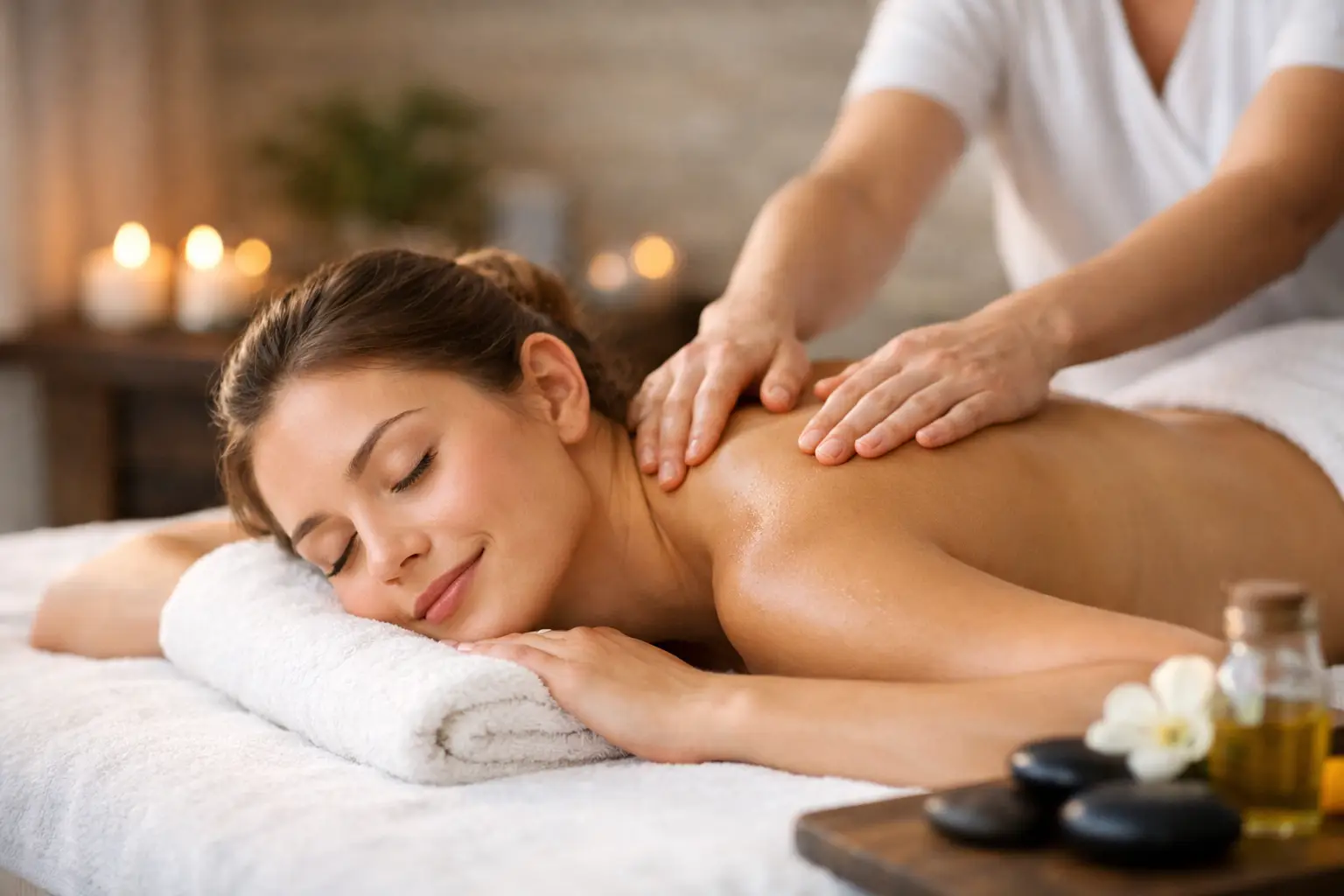
Relaxation Massage for Stress Relief
Some stress sits in the mind. A lot of it settles into the body. Tight shoulders, a clenched jaw, restless sleep, shallow breathing and that flat, wrung-out feeling by the end of the week are all common signs that your system is carrying too much for too long. That is where relaxation massage for stress can make a real difference - not as a luxury, but as practical support for your nervous system, muscles and overall wellbeing.
When life feels full, the body rarely gets the message that it is safe to switch off. Many people keep moving through work, family responsibilities, training, commuting and screen time without a proper reset. Over time, muscular tension builds, recovery slows down and even small stresses can feel bigger than they should. A good relaxation massage creates the space for your body to soften, settle and start recovering.
What relaxation massage for stress actually does
Relaxation massage is a gentle to moderate style of massage designed to calm the body rather than work deeply into injury or chronic muscular restriction. The pace is slower, the pressure is more soothing, and the aim is to support circulation, reduce physical tension and help your nervous system move out of a constant state of alert.
That matters because stress is not only emotional. It shows up physically. When you are under pressure, muscles often tighten without you noticing. Breathing can become shorter. Sleep may become lighter and less restorative. Headaches, neck pain and upper back tension can start to feel normal, even though they are signs your body is working too hard.
Relaxation massage helps interrupt that pattern. Through steady, flowing techniques, the body gets a clear signal to slow down. Many people notice they breathe more deeply during treatment, their shoulders drop, and their mind becomes quieter for the first time in days or even weeks.
How stress affects the body
Stress is not always dramatic. Sometimes it is just constant. Meeting deadlines, sitting too long at a desk, caring for young children, poor sleep, emotional strain or physical overwork can all keep the body in a heightened state.
In that state, muscles brace. Blood flow can feel less efficient. You may feel wired and tired at the same time. Some people notice digestive discomfort, some get tension headaches, and others simply feel heavy, stiff or unable to fully relax. If this goes on for long enough, it can affect mood, concentration and recovery as well.
Massage does not remove the demands of life, but it can change how your body responds to them. That is why regular bodywork often helps people feel more balanced, not just looser in the shoulders.
What to expect during a relaxation massage
If you have never booked a massage before, it is normal to wonder whether it will feel too firm, too clinical or too indulgent. Relaxation massage is usually one of the most approachable places to start.
Your treatment should feel comfortable, calm and tailored to how your body is presenting on the day. Pressure can be adjusted, and a good therapist will pay attention to the areas where stress commonly accumulates, such as the neck, shoulders, back and scalp. The goal is not to push through pain. The goal is to help your body let go of unnecessary tension.
For some people, that means drifting into a deeply restful state. For others, it means finally noticing how much tension they have been carrying. Both responses are normal. Sometimes the biggest shift is not dramatic at all - you simply get off the table feeling lighter, clearer and more grounded.
The benefits of relaxation massage for stress
The most obvious benefit is that you feel calmer. But the effects often go further than that.
When the body relaxes, breathing tends to become easier and muscles can release their constant guarding. This may help reduce common stress-related tension through the neck, shoulders and upper back. Many people also find they sleep better after a session, especially if they have been feeling overstimulated or mentally switched on at night.
There is also the simple benefit of being cared for in a quiet, focused setting. That should not be underestimated. A treatment gives you a set period where you do not need to perform, problem-solve or rush. For busy professionals and parents in particular, that pause can be deeply restorative.
It is worth saying that results vary. If your stress is mild and recent, one massage may help you feel noticeably better straight away. If you have been running on empty for months, relief may come more gradually and work best with regular sessions and better recovery habits between appointments.
When relaxation massage is the right choice
Relaxation massage is often a good fit if your main issue is feeling tense, overstretched, fatigued or mentally drained. It suits people who want to unwind, improve recovery, ease general muscular tightness and support better balance in daily life.
It may also be helpful if you are new to massage and want a gentler introduction. Not everyone needs firm pressure. In fact, when stress is high, a softer approach can sometimes be more effective because the body does not feel challenged or guarded.
That said, it depends on what is driving your discomfort. If you are dealing with a specific injury, persistent lower back pain, restricted movement or long-term muscular knots, remedial treatment may be more appropriate. Some people also benefit from combining different therapies over time, depending on whether the need is relaxation, pain relief or both.
Why regular sessions often work better than one-off treatment
A single massage can absolutely help, especially after a demanding week or period of poor sleep. But stress has a way of rebuilding when daily demands stay the same.
That is why regular care tends to have a stronger effect. When massage becomes part of your routine, your body gets repeated chances to reset before tension becomes overwhelming again. Instead of waiting until you feel burnt out, you are supporting recovery along the way.
For some people, that might mean fortnightly sessions during a busy season. For others, monthly treatment is enough to stay on top of stress and muscular tension. There is no single correct schedule. The right rhythm depends on your workload, activity level, sleep, existing pain and how your body responds.
Small things that help the effects last longer
Massage works well on its own, but it works even better when it is part of a broader approach to restoring balance. You do not need a perfect wellness routine to benefit. A few simple habits can make a noticeable difference.
Drinking water after treatment, moving gently rather than rushing straight back into a hectic pace, and giving yourself a quieter evening where possible can help your body hold onto that relaxed state. Better posture, short stretch breaks, deeper breathing and consistent sleep also support the same goal.
If stress is showing up strongly in your body, the answer is usually not one big fix. It is steady care, repeated often enough that your system starts to feel safe and supported again.
Choosing a massage clinic you feel comfortable with
Technique matters, but so does the environment. If you are booking relaxation massage for stress, you want a space where you can actually exhale. That means feeling listened to, not rushed, and knowing your treatment can be adjusted to suit your comfort level.
A clinic that understands both relaxation and therapeutic care can be especially helpful, because stress does not always arrive on its own. It often comes with neck tension, headaches, physical fatigue or the after-effects of overwork. At Just4U Wellness Clinic, that whole-body perspective is part of the care approach - helping people feel restored, not just temporarily distracted from stress.
If you have private health cover for eligible services, practical details like HICAPS claiming and easy online booking can also make it much easier to prioritise regular care instead of putting it off.
Stress has a way of convincing you to keep pushing through. Sometimes the better choice is to pause, let your body soften, and give yourself the kind of support that helps you feel like yourself again.


Comments